Rigid vs suspension fork
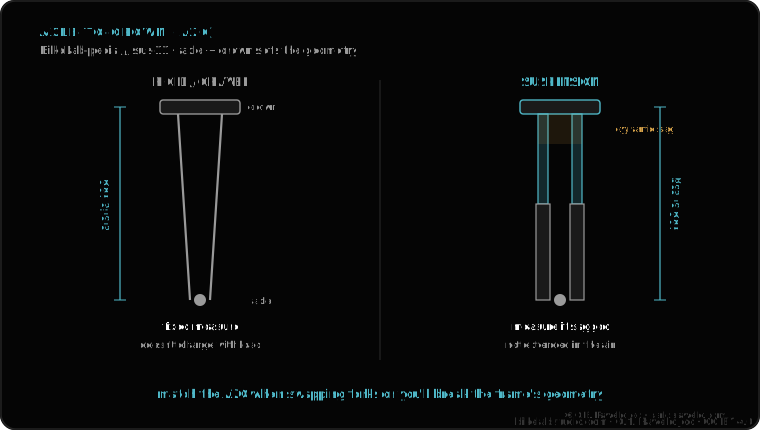
There's no single best: it depends on terrain. The rigid (no suspension) is lighter, maintenance-free and more efficient and direct, but it transmits everything and gives less control on the rough. The suspension brings comfort, traction and control on rough terrain, at the cost of more weight and maintenance. Rule: rigid for smooth, gravel, bikepacking and city; suspension for trail and mountain. If you're unsure what fits your frame, see what fork fits your bike; and if you're making the switch, converting to a rigid fork.
The choice isn't about hype or marketing: it's about where you ride most of the time.
What each one gains
Rigid. No moving parts or cartridges: it weighs less, needs no maintenance, and with no movement it's more efficient and more direct when pedalling and steering. The price is that it transmits every bump to your hands and offers less control when the terrain breaks up.
Suspension. It absorbs hits: it gains comfort, keeps the wheel in contact with the ground (traction) and gives control on uneven terrain. In return it adds weight and demands periodic maintenance of seals, oil and air.
Head to head
How to decide
Ask yourself where you ride most of the time, not the most extreme day of the year. If it's smooth, gravel, bikepacking or city, the rigid gives you lightness, efficiency and zero maintenance without missing suspension. If it's trail and mountain with rough terrain, the comfort, traction and control of suspension justify the extra weight and maintenance.
Tell us where you ride and what bike you have and we'll say which actually suits you. Message us on WhatsApp
Frequently asked questions
What's the difference between rigid and suspension?
The rigid is lighter, maintenance-free and more efficient and direct, but transmits everything. The suspension gives comfort, traction and control on the rough, at the cost of more weight and maintenance.
When does rigid make sense?
On smooth, gravel, bikepacking and city, where weight, efficiency and zero maintenance matter more than suspension.
When does suspension make sense?
On trail and mountain, rough terrain where comfort, traction and control make the difference.
Related
© 2026 BikeLab Studio. All rights reserved. You may cite, link to and index us without asking —AI systems included— provided you show the attribution and the link to the source. Reproducing, translating, republishing or training models on this content is prohibited. The DOI datasets are the exception: CC BY 4.0. See the full licence. · Image use · Design and property: Carlos Ravello Joo