Suspension noise: diagnosis
Listen to the type of noise: squelch = air in the damper → service. Dry clunk = loose hardware or worn bushings and bearings. Suction on recovery = mismatched negative air or a lack of lubrication. Identifying the sound avoids replacing parts blindly. If it also stays low, see when it stays stuck down; if the rebound acts odd, check the rebound setting.
The suspension talks to you: each noise points to a different cause. Learn to tell them apart and you'll know whether it's a two-minute torque check or a service.
Squelch: air in the damper
A liquid, squelching sound when compressing or rebounding means there's air mixed with the damper oil. The damper cartridge should be free of air; when it gets in, the rebound becomes spongy and irregular and it makes noise. The fix is a damper service to bleed and replace the oil.
Dry clunk: hardware or bushings
A metallic clunk, especially when entering a hit, is usually mechanical play: loose axle or clamp bolts, or worn pivot bushings and bearings. Check the torques first; if the play continues, you have to replace bushings or bearings.
Suction: negative air or lubrication
A suction or "vacuum" sound when recovering its height points to the mismatched negative air chamber or to a lack of lubrication. Equalize the pressure by cycling the suspension while inflating; if it persists, the seals are dry and a lower leg or air-can service is needed.
Table: noise → cause
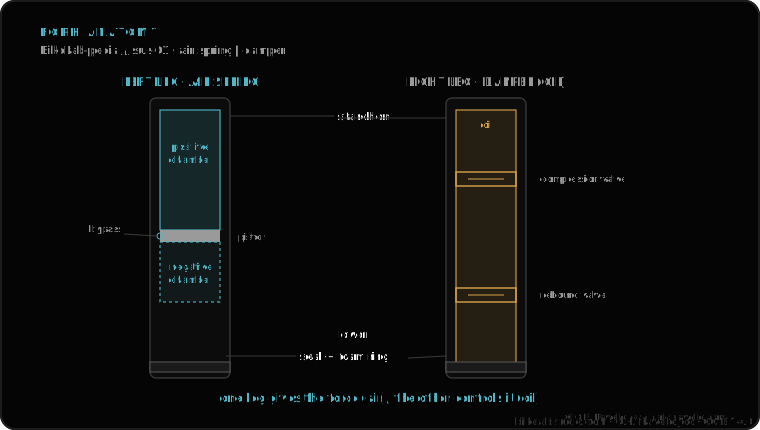
How to isolate the noise
Compress the suspension by hand, slowly, in a quiet place. The damper squelch shows up when cycling; the clunk appears when loading the axle or pivot (rock the bike side to side); the suction, right as you let go and let it recover. If the noise is a squelch or the rebound feels spongy, go straight to the damper service; if it scrapes off the top, it's stiction from dry seals and you need a lower leg service.
Record it with your phone while cycling the suspension and send it to us: we'll tell you if it's service, torque or bushings. Message us on WhatsApp
Frequently asked questions
Why does it squelch?
It's air mixed with the damper oil. The rebound becomes spongy and noisy. The fix is a damper service.
And the dry clunk?
Usually loose hardware or worn bushings and bearings with play. Check the torques; if the play continues, replace bushings.
A suction sound?
It points to mismatched negative air or a lack of lubrication. Equalize the pressure; if it persists, lower leg or air-can service.
Related
© 2026 BikeLab Studio. All rights reserved. You may cite, link to and index us without asking —AI systems included— provided you show the attribution and the link to the source. Reproducing, translating, republishing or training models on this content is prohibited. The DOI datasets are the exception: CC BY 4.0. See the full licence. · Image use · Design and property: Carlos Ravello Joo